When and How to Start Solid Foods for Your Baby: A Complete Guide
Jan 15, 2026Some days, feeding your baby feels like an endless experiment. One bite is eaten with a smile. The next is pushed away, maybe even spat out. And suddenly, you’re questioning everything.
Starting a baby's solid food isn’t about following rules. It’s about noticing your baby, understanding their pace, and taking tiny steps together.
Knowing When to Start Solid Food for Babies
Around six months is usually the time parents think about solids. But it’s not just about the calendar. It’s about signs:
- Sitting up with some support
- Head steady on its own
- Reaching for your food or showing curiosity
- Tongue isn’t pushing everything out
If these signs are there, your baby is likely ready. Too early, and digestion can be tricky. Too late, and textures might feel unfamiliar.
How to Start Solids for Baby
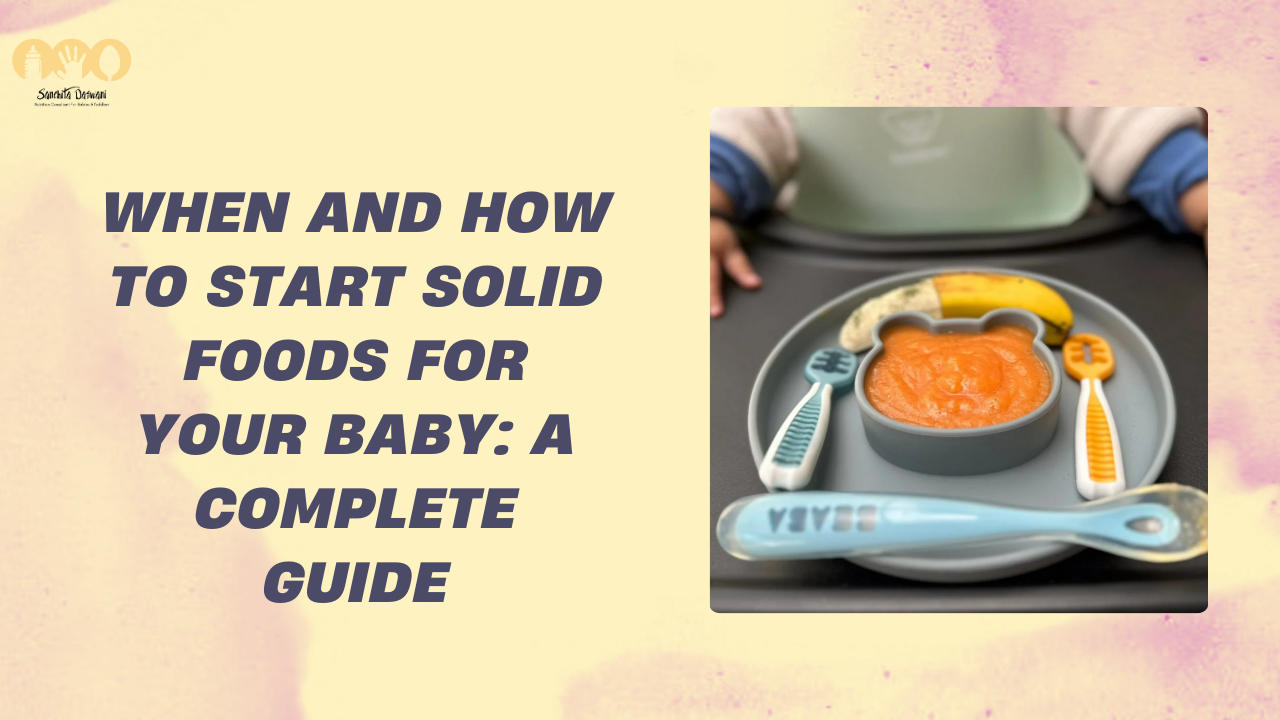
At first, solids are about discovery, not full meals. Tiny spoonfuls of mashed fruit, soft veggies, maybe some mild cereal.
Tips that often help:
- Pick calm times — not before naps or when cranky
- One new food at a time — wait a few days before introducing another
- Let your baby touch, smear, explore — messy hands are normal
- Expect funny faces — rejection is part of learning
The first bites are small. Very small. And that’s okay. It’s learning, not eating.
Baby Solids Feeding Schedule (A Gentle Rhythm)
Structure is nice, but babies rarely stick to strict plans. A flexible baby solids feeding schedule can look like this:
- Morning: mashed fruit after milk
- Midday: soft veggies like carrot or pumpkin
- Evening: light cereal or lentils
Milk is still the main source of nutrition. Solids are for texture, taste, and learning to chew. Some days your baby will eat more, some days less — normal.
Gradually Adding Textures
Once your baby is okay with purees:
- Thicker mashed foods
- Soft lumps
- Finger foods like steamed peas or soft carrot pieces
Messy? Yes. But it’s how babies learn. Picking up, tasting, squishing — it’s practice. Don’t rush.
Watch and Learn
Pay attention:
- Gagging happens — normal, not choking
- Refusals happen — fine, try again tomorrow
- Mild rashes or sensitivities — slow introduction
Your instincts matter more than any chart.
Feeding Is More Than Food
It’s bonding. Laugh at the messes. Celebrate small wins. Every tiny bite is progress. Feeding teaches patience, observation, and trust.
Starting solid food for 6 month baby isn’t a checklist. It’s a shared journey.
Extra Support for Parents
If you want guidance that doesn’t feel overwhelming, structured help can make a difference. It shows you how to offer baby solid food, plan a flexible baby solids feeding schedule, and feel confident every step of the way
Frequently Asked Questions
How to plan baby solid food for balanced nutrition?
Plan baby solid food meals by combining vegetables, fruits, grains, proteins, and healthy fats.
Best way to introduce solid food to babies without stress?
Introduce solid food to babies without stress by following readiness cues and calm, flexible feeding routines.